pipe repairs
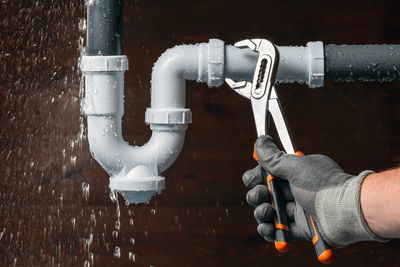
Warning Signs You Have a Broken or Leaking Pipe
- 💧 Unexplained Water Bill Spikes: A hidden line break behind drywall or beneath a slab can waste hundreds of gallons daily without visible pooling.
- 🛑 Low Water Pressure Across Multiple Fixtures: Pressure drops often indicate a severe fracture, heavy corrosion buildup, or a main supply leak.
- 👃 Persistent Sewer Odors or Musty Smells: Lingering sulfur or mold smells point to cracked drain-waste-vent (DWV) piping or leaking underground laterals.
- 🌿 Unusually Green Patches or Sinkholes in the Yard: Underground sewer or main supply leaks saturate surrounding soil, leading to localized sinking or lush lawn patches.
- 🪵 Discolored Drywall, Warped Baseboards, or Warm Flooring Spots: Warm floor spots frequently point to a hot-water line slab leak, while dark rings indicate active overhead line leaks.
Type of Pipe Materials We Service & Upgrade
- Cast Iron Lines: Common in older regional architecture; prone to bottom channeling, scaling, and severe root penetration over decades of use.
- Copper Piping: Durable but susceptible to pinhole leaks caused by acidic water, high water velocity, or localized electrolysis.
- Galvanized Steel: Prone to internal rust corrosion that chokes water pressure and produces discolored, rust-tinted water.
- Modern PEX & PVC: High-durability, freeze-resistant, and corrosion-proof solutions ideal for whole-home repiping and modern drain lines.