Sewage and drain cleaning
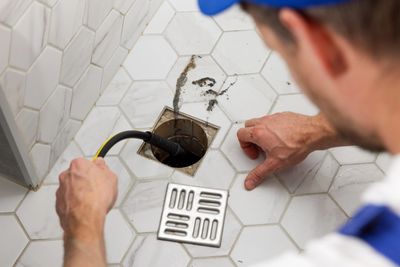
Comprehensive Drain Services We Handle
🍽️ Kitchen Sink & Garbage Disposal Drains
Fats, oils, grease (FOG), and starchy food debris bond to the inside of kitchen lines over time. We safely scour these lines without damaging your disposal unit or P-trap fittings.
🛁 Bathroom Tubs, Showers & Vanities
Soap scum, hair, and hygiene products combine to create dense, slow-draining plugs deep in the trap arm. We pull the blockage completely out instead of packing it further down the line.
🚽 Main Sewer Lateral Lines
When multiple fixtures bubble or backup simultaneously, the restriction sits in the main yard line. We open cleanouts, inspect the obstruction, and restore flow to the municipal connection.
🌧️ Floor Drains & Outdoor Catch Basins
Storm silt, leaf debris, and outdoor runoff can overwhelm patio and basement floor drains, leading to standing pools during heavy southern rainfall.
Our 4-Step Drain Cleaning Process
- Initial Assessment & Flow Test: We check the affected fixtures to determine whether the stoppage is isolated to a single trap or situated in the main sewer trunk line.
- Camera Verification (When Needed): For recurring or severe backups, we feed a high-resolution camera into the cleanout to verify the cause (roots, offset joints, or grease).
- Targeted Clearing & Scrubbing: We deploy the ideal tool—flexible motorized auger or hydro-jetter—to thoroughly clear and wash the line.
- Final Flush & Clean Up: We run high-volume water tests to ensure optimal drainage velocity and leave your home as clean as we found it.
FAQ
Q: How do I know if my clog is just one fixture or the main sewer line?
A: If only one sink or shower is draining slowly, the clog is localized. If using the washing machine or flushing a toilet causes water to gurgle or back up into a shower or floor drain, the blockage is in the main sewer lateral.
Q: Is hydro-jetting safe for older pipes?
A: Yes, when performed by a licensed professional. We inspect older cast iron or clay lines with a video camera first to ensure the pipe has the structural integrity required before applying high-pressure water.
Q: How can I prevent my drains from clogging again?
A: Use hair strainers in tubs, avoid pouring cooking grease or coffee grounds down the sink, and schedule routine hydro-jetting if your property is surrounded by mature tree roots.